Shop by category
Shop by goal
Build your own test
Pick from 90+ biomarkers and create a panel tailored to your goals.
Start buildingPick from 90+ biomarkers and create a panel tailored to your goals.
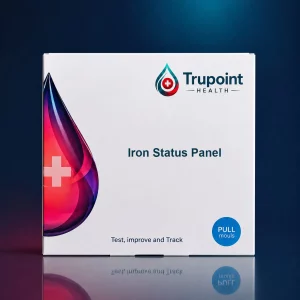
Start buildingA 28-biomarker advanced health panel covering thyroid function (TSH, FT4), iron status, full blood count, extended liver and kidney function, full cholesterol, HbA1c, and CRP — collected as a home fingerstick kit, via mobile phlebotomist, or at a partner clinic, processed at a UKAS ISO 15189-accredited laboratory, and reviewed by a GMC-registered physician within 3 to 5 working days.
or 4 interest-free payments of £34.75 with Klarna

A 28-biomarker advanced panel covering full blood count, thyroid (TSH, FT4), extended liver and kidney function, full cholesterol, HbA1c, iron status, and CRP.
The Advanced Health and Wellness Panel bridges the gap between the General Health Plus and the Ultimate Wellbeing Check, adding thyroid function (TSH and FT4) and iron status to an already comprehensive organ function and metabolic baseline. For adults who suspect thyroid dysfunction or iron deficiency but are not yet ready to commit to a dedicated specialist panel, this is the most targeted cost-effective option.
The addition of TSH and free T4 means the panel can screen for both underactive and overactive thyroid — conditions that affect metabolism, energy, weight, mood, and cardiovascular function. Iron status (iron, ferritin, and transferrin) adds early-stage iron depletion screening that a standard FBC often misses.
This panel is venous-friendly but can also be collected via fingerstick at home, making it accessible without a clinic appointment. Results are reviewed by a GMC-registered physician and delivered to your secure account within 3 to 5 working days.
Understand what each marker measures, why it matters, and what the science says — not just a list of numbers.
Two core thyroid markers screening for both underactive and overactive thyroid — the most common hormonal disorders in UK adults, with symptoms ranging from fatigue to weight change and palpitations.
The primary pituitary signal that regulates thyroid hormone production. TSH is the first marker to shift in thyroid disease and the most sensitive screening marker for both hypo- and hyperthyroidism.
Learn more about TSH (Thyroid-Stimulating Hormone)The main thyroid hormone released into the bloodstream. Low free T4 with raised TSH confirms primary hypothyroidism; suppressed TSH with high free T4 indicates hyperthyroidism.
Learn more about Free T4 (Thyroxine)Three markers assessing iron stores, transport, and circulating levels — identifying iron deficiency at every stage from depleted stores to functional deficiency.
Circulating iron in the bloodstream. Levels vary significantly throughout the day and with meals; best interpreted alongside ferritin and transferrin for a complete picture.
Learn more about IronThe body's iron storage protein and the most sensitive early marker of iron depletion. Low ferritin can cause fatigue, hair thinning, and poor exercise capacity even before anaemia develops.
Learn more about FerritinThe iron transport protein. Elevated transferrin signals that the body is attempting to absorb more iron to compensate for depleted stores — an early marker of iron deficiency.
Learn more about TransferrinA comprehensive base panel covering blood cell counts, full liver enzyme and protein panel, complete kidney function, full cholesterol profile, HbA1c, and systemic inflammation.
Complete red cell, white cell, and platelet assessment — the broadest single blood test for screening anaemia, infection, immune dysfunction, and platelet disorders.
ALT, GGT, ALP, bilirubin, albumin, and total protein. A complete liver screen covering enzyme activity and protein synthesis to identify fatty liver, alcohol damage, and bile duct disease.
Creatinine, eGFR, urea, and uric acid. Full kidney filtering assessment plus uric acid screening for gout risk and metabolic syndrome.
LDL, HDL, non-HDL, total cholesterol, total:HDL ratio, and triglycerides. The full clinical lipid profile used in cardiovascular risk assessment.
Three-month average blood glucose, used to screen for pre-diabetes and type 2 diabetes. Does not require fasting and is the preferred screening marker in UK guidelines.
Learn more about HbA1cSystemic inflammation marker. Elevated CRP alongside iron deficiency and thyroid dysfunction creates a clinically meaningful pattern requiring attention.
Learn more about CRPThis panel is designed for adults who want a comprehensive, evidence-based picture of their metabolic health — not a GP referral panel.
Adults who have googled their symptoms — fatigue, hair loss, weight change, cold intolerance — and want to screen thyroid and iron alongside a full metabolic baseline in a single test.
Those who have completed the General Health Plus and now want to add thyroid function and iron status — the two most common additional concerns following a normal basic health check.
Adults who have been advised to start thyroid medication, iron supplements, or a statin and want a pre-treatment baseline across all relevant markers before starting.
Health-conscious adults in their 30s and 40s who want a more thorough annual panel including thyroid and iron status without moving to a full comprehensive check.
This panel is a screening and baselining tool, not a clinical diagnosis. Thyroid markers can be affected by acute illness, certain medications (particularly biotin supplements, amiodarone, and lithium), and recent significant weight change. Iron markers fluctuate with recent diet and supplementation. The panel includes TSH and free T4 but not free T3 or thyroid antibodies — for a more complete thyroid assessment, consider the Comprehensive Thyroid Health Panel. The panel does not screen for cancer, infectious disease, or rare hormonal disorders. All out-of-range results should be reviewed with a clinician who has access to your full medical history.
From order to physician-reviewed report in as little as three working days.
Dispatched next working day by Royal Mail Tracked 24 in discreet plain packaging.
Collect a quick finger-prick sample at home using your kit — no needle, no appointment. Post it back with the prepaid return label.
Your sample is barcoded, logged, and processed at a UKAS ISO 15189-accredited laboratory.
A GMC-registered physician reviews all results and provides clinical commentary before releasing your report.
A simple finger-prick home kit, posted to your door — no appointment, no needle, and a laboratory-standard sample.
Adults 18+ in mainland UK. Not suitable if you have had a transfusion in the last 3 months.
Order anytime; kit dispatched within 24 hours Mon–Fri.
Allow 24–48 hours for sample transit on top of lab processing time.
Every test is processed in a UKAS ISO 15189-accredited laboratory, overseen by GMC-registered physicians, and governed by UK GDPR. No overseas processing, no offshore data.
Follow these guidelines to ensure accurate, reproducible results. Most markers are sensitive to recent food, exercise, and sleep.
Can't find your answer? Our clinical support team is available Monday to Friday, 9am–5pm.
Contact supportTSH and free T4 are the standard clinical first-line thyroid tests and will identify the vast majority of thyroid disorders including hypothyroidism, hyperthyroidism, and subclinical thyroid disease. Free T3 is added in more comprehensive panels when T4-to-T3 conversion issues are suspected — a situation that is more clinically relevant in people already on thyroid medication or those with persistent symptoms despite normal TSH and FT4. If your TSH and FT4 results are within range but you still have significant symptoms, upgrading to the Comprehensive Thyroid Health Panel — which adds free T3 and thyroid antibodies — would give a more complete picture.
This panel is a screening tool, not a diagnostic test. A TSH outside the reference range, or a TSH in the normal range with a clearly abnormal free T4, is clinically meaningful and will be flagged by the reviewing physician with appropriate guidance. However, a definitive diagnosis of a thyroid condition requires clinical assessment alongside blood results — including examination, medication history, and consideration of factors that can temporarily shift TSH (such as recent illness, biotin supplements, or severe caloric restriction). The report will indicate whether a GP referral or further thyroid investigation is warranted based on your specific result pattern.
Yes, this is clinically significant. Low ferritin with normal haemoglobin is called iron depletion — the body’s iron stores are running low but it has not yet depleted circulating iron enough to affect haemoglobin production. At this stage, symptoms such as fatigue, hair thinning, reduced exercise capacity, and restless legs are common and can be significant, even though a standard blood count would appear normal. Oral iron supplementation is usually effective at this stage, and a retest after 8 to 12 weeks is recommended to confirm that ferritin has risen. Addressing iron depletion early prevents it progressing to frank iron deficiency anaemia.
This panel cannot be customised, but Trupoint offers a range of complementary panels if you want to investigate specific areas further. For a deeper thyroid assessment including free T3 and thyroid antibodies, consider the Comprehensive Thyroid Health Panel. For hormonal concerns, the Female Hormone Profile or Male Hormone Profile provide full hormone coverage. For advanced cardiovascular risk including ApoB and Lp(a), the Men’s Heart and Metabolic Health Check adds these to a similar lipid and metabolic base. Your physician’s commentary will suggest relevant follow-on panels if your results indicate specific areas worth investigating further.
Take your levothyroxine as normal on the morning of your test, ideally at your usual time. If you take it in the morning, collect your sample at least one hour after taking your dose — this is consistent with standard NHS monitoring guidance. Do not skip or delay your medication to take the test, as this produces results that do not reflect your treated thyroid function. Note your medication, dose, and how long you have been on it when ordering. The reviewing physician will interpret your TSH and FT4 in the context of your treatment.
This combination is clinically important. Elevated CRP — indicating active inflammation — can artificially raise ferritin levels, because ferritin is an acute phase protein that rises with inflammation. This means that a person with active inflammation and genuine iron deficiency may have a ‘normal’ or even elevated ferritin despite having depleted iron stores. When CRP is elevated, ferritin alone cannot reliably estimate iron status. The physician’s commentary will flag this interaction if both markers are abnormal and recommend whether further investigation — such as a full iron panel including transferrin saturation, or assessment for an inflammatory cause — is appropriate.