Shop by category
Shop by goal
Build your own test
Pick from 90+ biomarkers and create a panel tailored to your goals.
Start buildingPick from 90+ biomarkers and create a panel tailored to your goals.
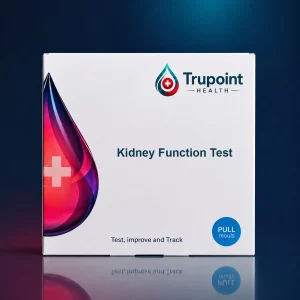
Start buildingKnowing when to worry about creatinine levels begins with understanding what your kidneys are actually doing. This renal profile blood test measures key markers that reveal how well your kidneys are filtering waste from your blood, regulating fluid balance, and maintaining the right balance of electrolytes. Your kidneys work silently and continuously, and problems can develop without any obvious symptoms until significant damage has already occurred. At Trupoint Health in Gloucester, you can access a full renal profile with results in 24 to 48 hours, providing clarity about your kidney health without waiting for a routine NHS appointment.
or 4 interest-free payments of £11.25 with Klarna

Knowing when to worry about creatinine levels begins with understanding what your kidneys are actually doing. This renal profile blood test measures key markers that reveal how well your kidneys are filtering waste from your blood, regulating fluid balance, and maintaining the right balance of electrolytes. Your kidneys work silently and continuously, and problems can develop without any obvious symptoms until significant damage has already occurred. At Trupoint Health in Gloucester, you can access a full renal profile with results in 24 to 48 hours, providing clarity about your kidney health without waiting for a routine NHS appointment.
A kidney function blood test measures a set of markers that reflect how efficiently your kidneys are filtering your blood and maintaining the body’s chemical balance. The most important single marker is creatinine, a waste product produced by muscle metabolism. The creatinine normal range in adults is approximately 60 to 110 micromol/L, though this varies by age, sex, and muscle mass. Alongside creatinine, the renal profile also calculates your estimated glomerular filtration rate (eGFR), which is the clearest measure of overall kidney filtering capacity.
The renal profile blood test also includes urea, electrolytes (sodium, potassium, chloride, bicarbonate), and sometimes uric acid and phosphate. Together, these give a comprehensive picture of kidney health and fluid regulation. Abnormal results can indicate acute kidney injury, chronic kidney disease, dehydration, or electrolyte imbalances that affect heart rhythm and muscle function.
Private testing at Trupoint Health is particularly valuable for anyone managing a long-term condition such as diabetes or hypertension, both of which are leading causes of kidney damage. Rather than waiting for NHS routine monitoring appointments, you can access your renal profile on your own schedule and receive clear guidance on what the results mean. Detecting early changes in kidney function while they are still reversible is one of the most impactful things you can do for your long-term health.
Understand what each marker measures, why it matters, and what the science says — not just a list of numbers.
How your body processes sugar, manages insulin sensitivity, and stores energy. Foundational for assessing prediabetes, metabolic syndrome, and long-term cardiometabolic risk.
Blood sugar after an overnight fast. Elevated values flag impaired fasting glucose or type 2 diabetes risk.
Learn more about Fasting GlucoseAverage glucose over the previous ~3 months. The single most reliable marker of glycaemic control.
Learn more about HbA1cInsulin produced overnight. Read together with glucose to evaluate early insulin resistance before HbA1c moves.
Learn more about Fasting InsulinCalculated index of insulin resistance from fasting glucose and insulin.
Learn more about HOMA-IRBy-product of insulin production. Helps distinguish endogenous insulin from injected.
Linked to metabolic syndrome, gout risk, and renal stones.
Learn more about Uric AcidBeyond a standard cholesterol panel — adds particle number and inflammatory markers shown to refine atherosclerotic risk over LDL-C alone.
Sum of LDL, HDL, and VLDL fractions. Useful as context, not in isolation.
Learn more about Total CholesterolLow-density lipoprotein cholesterol — central to NICE guidance.
High-density lipoprotein cholesterol. Inversely associated with cardiovascular risk.
Reflects dietary fat handling and insulin sensitivity.
Learn more about TriglyceridesCounts atherogenic particles. A more direct measure of ASCVD risk than LDL-C in many adults.
Genetically determined risk factor. Measured once in a lifetime is enough to stratify risk.
Sensitive inflammation marker. Persistent elevation flags ongoing cardiovascular and metabolic stress.
Amino acid linked to vascular endothelial damage. Responsive to B-vitamin status.
Enzymes and proteins reflecting hepatocellular and biliary function. Screens for fatty liver disease, alcohol-related stress, and drug toxicity.
Alanine aminotransferase. Most sensitive routine hepatocellular marker.
Learn more about ALTRead alongside ALT — the ratio helps distinguish injury patterns.
Sensitive to alcohol intake and biliary disease.
Learn more about GGTRaised in cholestasis and bone turnover.
Reflects red-cell breakdown and biliary excretion.
Major plasma protein synthesised by the liver.
Learn more about AlbuminFiltration efficiency, waste clearance, and electrolyte balance — early signal for kidney injury, dehydration, and protein metabolism issues.
Muscle-derived waste filtered by the kidneys. Used to calculate eGFR.
Learn more about CreatinineEstimated glomerular filtration rate. The clinical standard for staging kidney function.
Learn more about eGFRNitrogen waste. Sensitive to hydration, protein intake, and renal clearance.
Primary extracellular cation. Tightly regulated — abnormalities are clinically significant.
Critical for cardiac rhythm and neuromuscular function.
Alternative to creatinine; less affected by muscle mass.
Full thyroid axis plus sex-hormone and stress markers — relevant for energy, mood, body composition, libido, and recovery.
Thyroid-stimulating hormone. First-line thyroid screen.
Learn more about TSHUnbound thyroxine, the inactive precursor. Interprets TSH abnormalities.
Learn more about Free T4Unbound triiodothyronine, the biologically active hormone.
Learn more about Free T3Total circulating testosterone.
Sex hormone-binding globulin. Controls how much testosterone is bioavailable.
Learn more about SHBGAdrenal androgen precursor. Declines steadily with age.
Learn more about DHEA-SMorning cortisol. Screens adrenal axis function; time-of-day sensitive.
Complete blood count plus key micronutrient stores frequently low in UK adults — Vitamin D, B12, ferritin, and folate.
Oxygen-carrying protein. Low values flag anaemia.
Learn more about HaemoglobinProportion of blood made up of red cells.
White blood cell count. Elevated in acute infection.
Cells responsible for clotting. Abnormalities require follow-up.
Learn more about PlateletsIron storage protein. The single best marker of iron stores.
Learn more about FerritinStorage form of Vitamin D. Most UK adults are insufficient between October and April.
Critical for neurology and red cell production.
Learn more about Vitamin B12B9 vitamin. Read alongside B12; deficiencies cause overlapping presentations.
Learn more about FolateCofactor for hundreds of enzymes. Commonly low in alcohol use and GI disease.
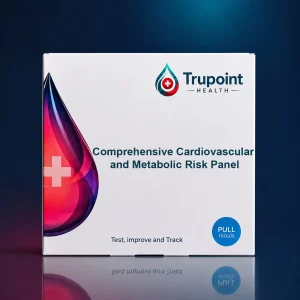
Learn more about MagnesiumThis panel is designed for adults who want a comprehensive, evidence-based picture of their metabolic health — not a GP referral panel.
Adults 25–55 who have never had a comprehensive panel and want a single-document view of where their physiology sits today.
Anyone tracking insulin sensitivity, body composition, or lipid response to nutrition, training, or pharmacotherapy.
Earlier and broader screening for people with first-degree relatives diagnosed with cardiovascular, thyroid, or metabolic disease.
Suspected thyroid, anaemia, Vitamin D deficiency, or hormonal causes of fatigue and disrupted recovery.
Checking inflammation, liver enzymes, and recovery markers before resuming a training block or competitive season.
Monitoring metabolic, liver, and lipid response while on GLP-1, calorie-deficit, or surgical interventions.
This panel is a screening and baselining tool, not a clinical diagnosis. Results reflect a single point in time and are interpreted against population reference ranges — most markers fluctuate with hydration, sleep, recent meals, training load, and stress. The panel does not screen for cancer, structural cardiac disease, infectious diseases, or rare metabolic disorders, and is not a substitute for age-appropriate national screening programmes. Reference ranges are not validated during pregnancy, and genetic markers are excluded by design. Always discuss out-of-range results with a clinician who knows your full picture.
From order to physician-reviewed report in as little as three working days.
Free next-day Royal Mail Tracked 24 in a discreet, climate-stable box. Kit includes the requisition, prepaid return label, and step-by-step instructions.
Collect a quick finger-prick sample at home using your kit — no needle, no appointment. Post it back with the prepaid return label.
Samples are barcoded on collection and processed under chain-of-custody in our partner laboratory.
A GMC-registered physician reviews flagged values. You receive a structured report with trends, references, and a follow-up action plan.
A simple finger-prick home kit, posted to your door — no appointment, no needle, and a laboratory-standard sample.
Adults 18+ in mainland UK. Not suitable if you have had a transfusion in the last 3 months.
Order anytime; kit dispatched within 24 hours Mon–Fri.
Allow 24–48 hours for sample transit on top of lab processing time.
Every test is processed in a UKAS ISO 15189-accredited laboratory, overseen by GMC-registered physicians, and governed by UK GDPR. No overseas processing, no offshore data.
Follow these guidelines to ensure accurate, reproducible results. Most markers are sensitive to recent food, exercise, and sleep.
Can't find your answer? Our clinical support team is available Monday to Friday, 9am–5pm.
Contact supportYou should discuss your creatinine result with a clinician if it is above the reference range for your age and sex, particularly if it is accompanied by a low eGFR. A single mildly elevated result is not always cause for alarm, but a persistent or rising creatinine warrants investigation. Our clinical team will guide you through what your result means.
Creatinine is a waste product generated by normal muscle metabolism. It is filtered out of the blood by the kidneys and excreted in urine. When the kidneys are not functioning optimally, creatinine builds up in the bloodstream, making it a useful marker of kidney health.
Serum creatinine refers to the level of creatinine measured in your blood serum. It is the standard way kidney function is assessed in a blood test. Your result will be reported in micromol/L alongside your eGFR, which gives a more complete picture of your kidney filtering capacity.
No. You can book a renal profile directly with Trupoint Health without a referral from your GP. This allows you to access results on your own schedule, which is particularly useful if you are monitoring a chronic condition or managing medication that affects the kidneys.
If your results show markers outside the reference range, a clinician at Trupoint Health will discuss the findings with you. Depending on the degree of abnormality, this may involve repeat testing to confirm the finding, a recommendation to adjust your hydration or medication, or advice to follow up with your GP for further investigation such as urine testing or imaging.
Yes. Most blood pressure medications are safe to continue before a kidney function test and your result should be interpreted with your medication use in mind. In fact, people on ACE inhibitors or ARBs are particularly encouraged to monitor kidney function regularly, as these medications can affect creatinine and potassium levels. Always bring a full medication list to your appointment.