Vitamin D Test
Measure your 25-OH vitamin D level with a simple home fingerstick kit. Results reviewed by a GMC-registered physician and returned in 3 to 5 working days.
£29.00
View test

Dry skin that persists despite regular moisturising is frequently a visible sign of an underlying hormonal or nutritional imbalance — particularly thyroid dysfunction, vitamin D deficiency, or low omega-3 fatty acids.
Dry skin — medically termed xerosis — is characterised by a rough, flaky, tight, or itchy texture that results from impaired water retention in the outermost layer of the skin (the stratum corneum). While environmental factors such as cold weather and low humidity contribute to transient dryness, persistent dry skin that does not resolve with standard moisturisers and occurs alongside other symptoms is almost always signalling an internal imbalance rather than a purely dermatological condition.
Hypothyroidism is among the most clinically significant causes of generalised dry skin. Thyroid hormones regulate sebaceous gland activity and the rate of epidermal cell turnover — when thyroid output falls, skin cells are replaced more slowly, sebum production decreases, and the skin becomes rough, dry, and characteristically cool and pale. Hashimoto’s thyroiditis, the autoimmune condition that is the leading cause of hypothyroidism in the UK, produces identical skin changes. A TSH blood test is the standard and most cost-effective way to screen for thyroid underactivity.
Nutritional factors are equally important. Omega-3 fatty acids are structural components of the lipid bilayer that forms the skin’s moisture barrier — deficiency impairs transepidermal water loss regulation, resulting in chronically dehydrated skin. Vitamin D receptors are expressed throughout the epidermis and regulate keratinocyte proliferation and barrier function; low vitamin D is associated with impaired skin repair and increased inflammatory sensitivity. Zinc and iron support skin healing and structural integrity — deficiency in either accelerates epidermal breakdown and slows recovery. Together, these markers form a comprehensive picture of the nutritional drivers of persistent dry skin.
Persistently dry, rough skin that does not respond to standard moisturiser and appears alongside other systemic symptoms — such as fatigue, hair thinning, or weight gain — is more likely to reflect a hormonal or nutritional cause than a primary skin condition like eczema. Eczema typically presents with intensely itchy, inflamed, or weeping patches, often with a personal or family history of atopy. Blood testing can confidently distinguish the two and identify a correctable underlying driver.
Internally driven dry skin is rarely an isolated complaint — it is typically part of a cluster of symptoms pointing towards an underlying hormonal or nutritional imbalance.
Dry skin has both internal and external triggers — identifying which is primary determines the most effective treatment strategy.
These targeted blood markers identify the hormonal and nutritional drivers most commonly responsible for persistent dry skin.
Persistent dry skin is a recognised outward sign of several systemic conditions that are reliably identified through blood testing.
Investigating persistent dry skin efficiently requires a structured approach starting with the highest-yield blood markers.
TSH and free T4 should be the first tests ordered for anyone with persistent dry skin, particularly when accompanied by fatigue, hair thinning, or weight gain. Hypothyroidism is highly treatable once identified and skin quality typically improves significantly within weeks of starting therapy.
A 25-OH vitamin D level identifies deficiency — the most common vitamin deficiency in the UK, affecting a significant proportion of adults. Supplementation is safe, inexpensive, and has demonstrated benefits for skin barrier function and overall immune health.
Ferritin, zinc, and calcium together assess the mineral building blocks of epidermal cell function. Low ferritin is common even in the absence of frank anaemia and is a frequently overlooked cause of persistent skin dryness.
An omega-3 index directly measures EPA and DHA levels in red blood cell membranes — the most accurate reflection of long-term omega-3 status. A low result identifies a correctable barrier deficiency that topical moisturisers cannot adequately compensate for.
Private blood tests analysed by UK-accredited laboratories.
Measure your 25-OH vitamin D level with a simple home fingerstick kit. Results reviewed by a GMC-registered physician and returned in 3 to 5 working days.
A seven-marker panel combining the full lipid profile with high-sensitivity CRP and homocysteine.
An in-depth 12-marker nutritional screen covering fat-soluble vitamins, B vitamins, key minerals, homocysteine, and omega-3 index.
Check your serum magnesium level to investigate muscle cramps, fatigue, palpitations, or poor sleep. Simple home fingerstick kit. GMC physician review.
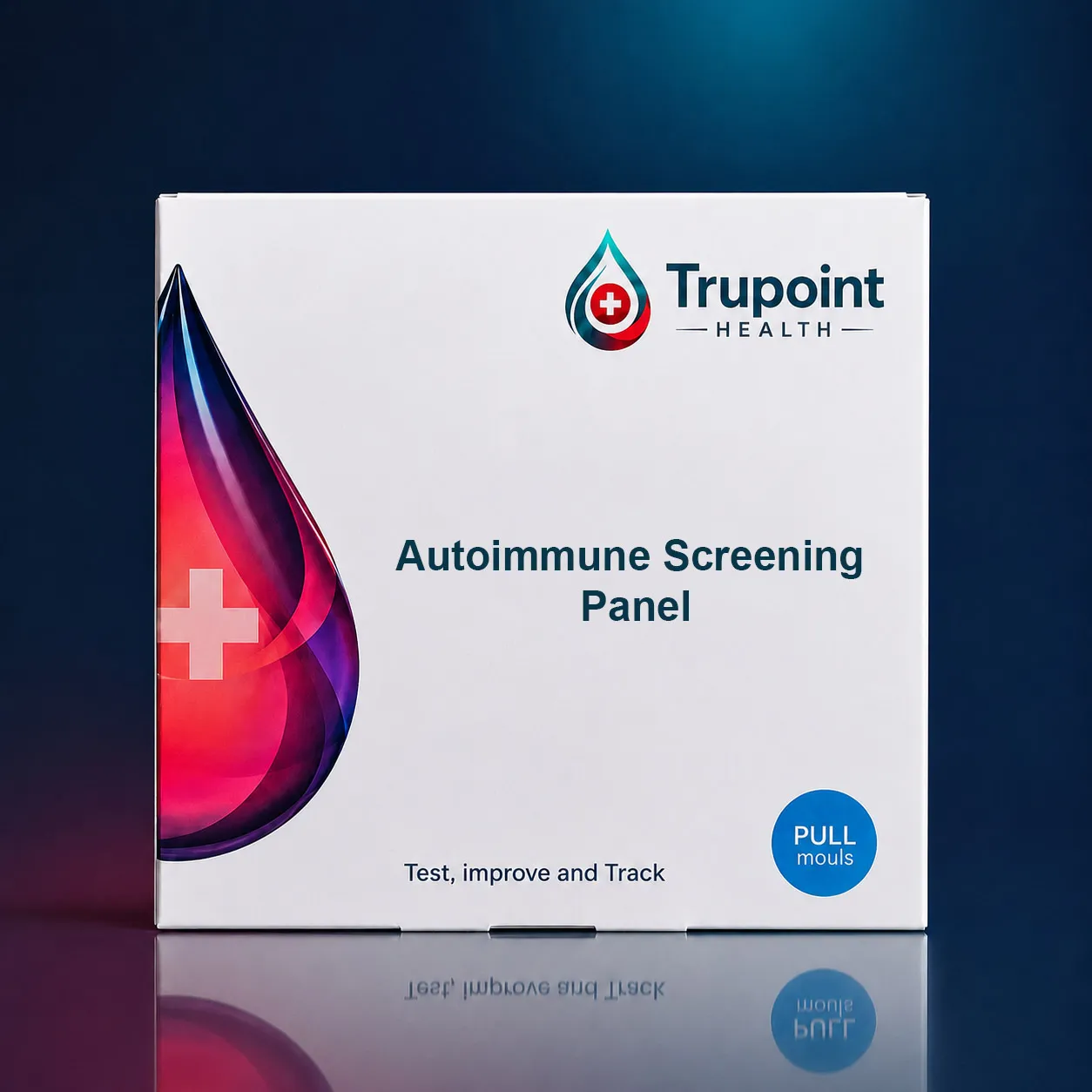
A five-marker autoimmune screening panel covering ANA, rheumatoid factor, anti-CCP, anti-TPO, and CRP.
Alongside targeted supplementation guided by blood results, evidence-based lifestyle habits support skin hydration and barrier function.
Dry skin is usually benign and nutritional, but certain accompanying features require prompt clinical assessment to exclude a serious primary skin or systemic condition.
These can point to a more serious underlying cause and should not be ignored.
Yes — dry, rough, and cool skin is one of the classic features of hypothyroidism. Thyroid hormones regulate sebaceous gland secretion and the rate of epidermal cell renewal; when thyroid output falls, both functions slow. The skin becomes thick, dry, and poorly responsive to moisturiser. A TSH blood test is the standard first-line investigation and can confirm or exclude thyroid underactivity within 24 hours.
Several vitamin and mineral deficiencies contribute to dry skin. Vitamin D deficiency impairs keratinocyte function and skin barrier repair. Low omega-3 fatty acids compromise the lipid layer that prevents moisture loss. Zinc deficiency impairs epidermal collagen synthesis and skin healing. Because these deficiencies frequently co-exist, a comprehensive nutritional panel is more informative than testing one vitamin in isolation.
Yes. Omega-3 fatty acids — specifically EPA and DHA — are essential structural components of the phospholipid bilayer that forms the skin’s moisture barrier. Insufficient omega-3 intake increases transepidermal water loss, resulting in chronically dehydrated, rough, and flaky skin. An omega-3 index blood test directly measures red blood cell EPA and DHA content, providing a reliable indicator of long-term omega-3 status that dietary questionnaires cannot match.
If dry skin persists despite consistent moisturiser use, an internal cause is likely. The most common culprits are hypothyroidism, vitamin D deficiency, low omega-3, and iron deficiency — all of which impair the skin’s intrinsic ability to produce and retain moisture. Topical moisturisers only address transepidermal water loss at the surface; they cannot compensate for a deficiency in the building blocks of the skin barrier itself. Blood testing identifies the root cause so treatment can be targeted effectively.
Yes — iron deficiency reduces the availability of oxygen and metabolic energy to rapidly dividing epidermal cells, impairing their ability to maintain the skin barrier. Low ferritin — even without frank anaemia — is associated with dry, pale, and poorly healing skin. Ferritin is one of the most important and commonly overlooked markers to check in anyone with unexplained skin dryness.
This page is for general information only and does not replace personalised medical advice. If you are worried about your health, please speak to a qualified healthcare professional. Trupoint Health blood tests are analysed by UK-accredited laboratories.
Private blood tests analysed by UK-accredited laboratories, with clear results and optional GP review.