
Vitamin D Test
Measure your 25-OH vitamin D level with a simple home fingerstick kit. Results reviewed by a GMC-registered physician and returned in 3 to 5 working days.
£29.00
View test

Hair loss that goes beyond normal daily shedding is often a sign of an underlying nutritional deficiency, hormonal imbalance, or thyroid disorder that a targeted blood test can identify.
Hair loss — medically referred to as alopecia — occurs when the rate of hair shedding exceeds the rate of new hair growth, resulting in visible thinning, patchiness, or a receding hairline. While losing 50–100 hairs per day is considered normal as part of the hair growth cycle, hair loss as a clinical symptom involves shedding well beyond this threshold, often exceeding 150 hairs per day, alongside noticeable changes in hair density.
Many cases of hair loss have measurable, treatable causes rooted in nutritional status or hormonal balance. Ferritin — the body’s iron storage protein — is one of the most common culprits; ferritin below 30 µg/L is strongly associated with telogen effluvium, a form of diffuse shedding triggered when the body prioritises iron for vital organs over hair follicle function. Similarly, thyroid hormones regulate the hair growth cycle directly, and both underactive thyroid (elevated TSH) and overactive thyroid can cause significant hair thinning.
Hormonal hair loss is also driven by androgens such as testosterone and its conversion to DHT via 5-alpha reductase, particularly in women with PCOS where excess androgens miniaturise hair follicles on the scalp. Deficiencies in zinc, folate, and vitamin D can also impair the hair follicle’s ability to cycle correctly, contributing to diffuse or patchy hair loss.
Losing 50–100 hairs daily is a normal part of the hair growth cycle and does not constitute hair loss. Hair loss as a symptom involves noticeable thinning, patchy bald areas, or consistent shedding of more than 150 hairs per day — particularly when accompanied by changes in hair texture or scalp health.
Hair loss rarely occurs in isolation — it commonly accompanies other signs of nutritional or hormonal imbalance.
Hair loss can stem from nutritional deficiencies, hormonal disruption, thyroid dysfunction, or a combination of these factors.
These blood biomarkers are the most clinically relevant starting points for investigating hair loss.
Several underlying conditions are known to cause or accelerate hair loss through measurable hormonal or nutritional mechanisms.
A structured approach helps pinpoint the cause of hair loss quickly and avoid unnecessary treatments.
Request serum ferritin as a standalone test or as part of an iron panel. A ferritin below 30 µg/L warrants iron supplementation and dietary review before investigating other causes.
A TSH and free T4 panel identifies hypothyroidism or subclinical thyroid dysfunction — both of which are reversible causes of hair loss when treated appropriately.
In women, checking testosterone, SHBG, oestradiol, LH and FSH identifies PCOS or menopausal-related hormonal shifts. In men, testosterone levels and SHBG provide insight into androgen-driven alopecia.
Private blood tests analysed by UK-accredited laboratories.
Measure your 25-OH vitamin D level with a simple home fingerstick kit. Results reviewed by a GMC-registered physician and returned in 3 to 5 working days.

Check your levels of vitamin D, B12, folate, ferritin, and zinc in one convenient test. Home fingerstick kit available. GMC physician review included.
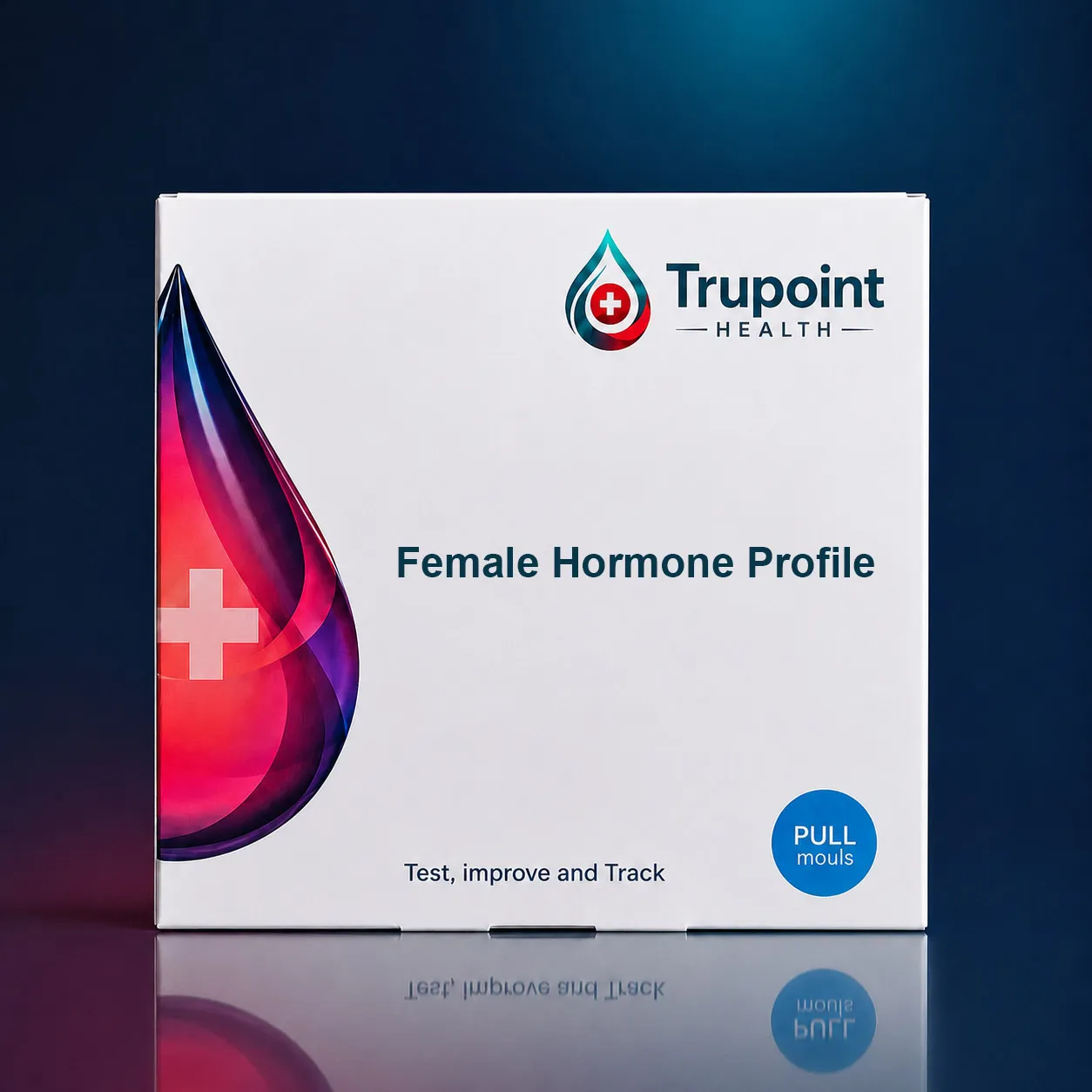
A six-marker hormone panel measuring oestradiol, progesterone, LH, FSH, testosterone, and SHBG.
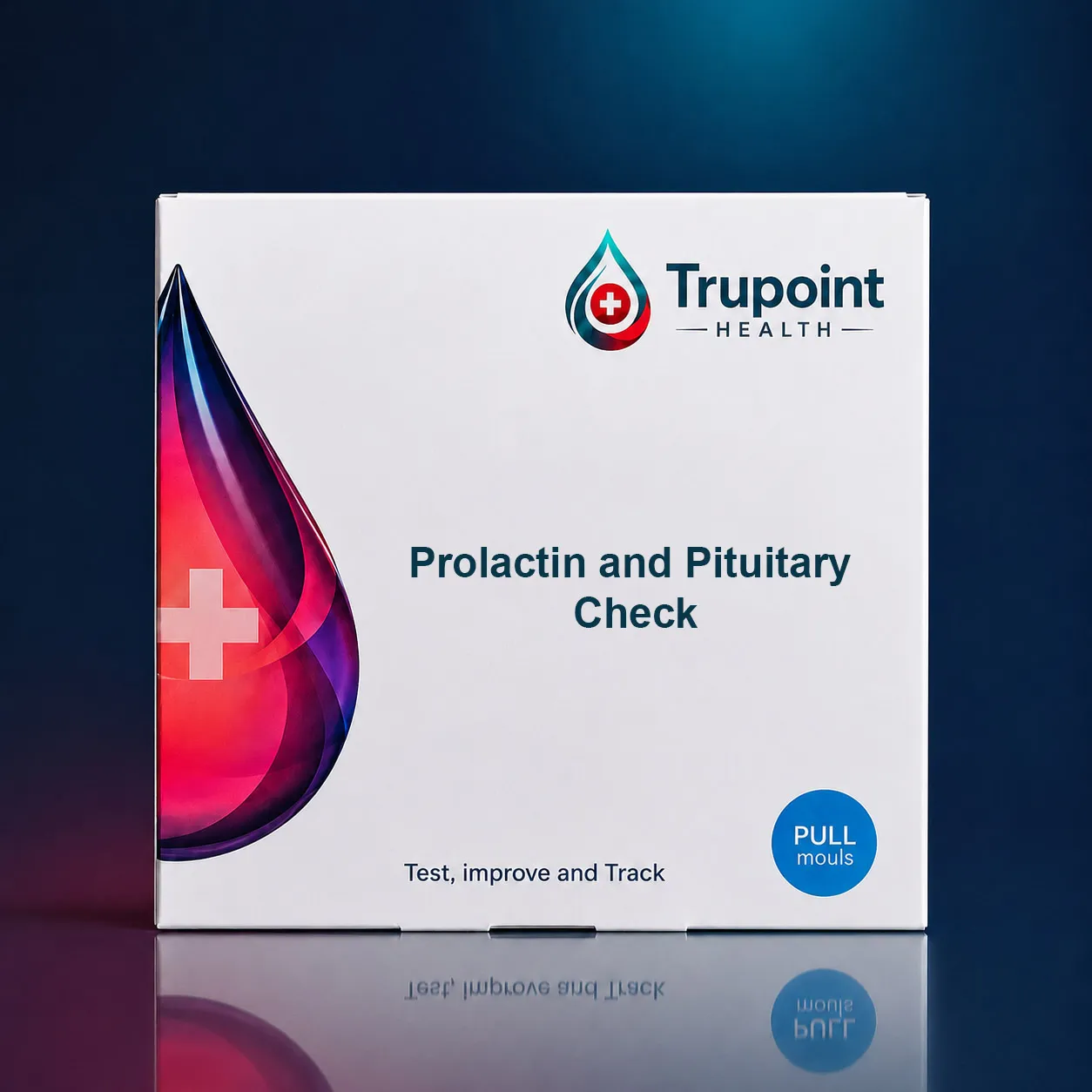
A targeted three-marker panel measuring prolactin, LH, and FSH to investigate pituitary function, irregular periods.

Check your serum magnesium level to investigate muscle cramps, fatigue, palpitations, or poor sleep. Simple home fingerstick kit. GMC physician review.
Lifestyle factors can significantly influence hair loss severity and recovery speed alongside any clinical treatment.
Most hair loss has a treatable cause, but certain warning signs should prompt prompt medical review.
These can point to a more serious underlying cause and should not be ignored.
Iron deficiency is the most common nutritional cause of hair loss in women, particularly in those who menstruate heavily. Low ferritin levels — below 30 µg/L — are associated with telogen effluvium, where hair prematurely enters the shedding phase. Vitamin D deficiency, zinc insufficiency, and folate deficiency are also frequently implicated. A comprehensive nutritional blood test can identify which deficiencies are contributing.
Yes — both hypothyroidism (underactive thyroid) and hyperthyroidism (overactive thyroid) can cause diffuse hair loss. Thyroid hormones regulate every phase of the hair growth cycle; when levels fall outside the normal range, hair follicles shift into the resting phase prematurely. A TSH and free T4 test is a straightforward way to rule out thyroid-related hair loss.
Once iron stores are replenished and ferritin rises above 70 µg/L (the level generally associated with optimal hair growth), most people notice reduced shedding within 2–3 months. Visible regrowth of new hair typically takes 4–6 months, as the hair growth cycle itself takes time to restart. Consistent supplementation and dietary improvement are important throughout this period.
Paradoxically, elevated — not low — testosterone and androgens cause the most common form of female pattern hair loss. In conditions like PCOS, raised androgens are converted to DHT, which binds to scalp follicle receptors and miniaturises them over time. Low SHBG compounds this by increasing the amount of free testosterone available to act on hair follicles.
A targeted hair loss blood test panel should include ferritin, TSH, free T4, testosterone, SHBG, vitamin D, zinc, and folate. For women, adding oestradiol, LH, and FSH provides a fuller hormonal picture. Trupoint Health’s Essential Vitamins Panel and PCOS Hormone Screen cover the most common investigative routes.
This page is for general information only and does not replace personalised medical advice. If you are worried about your health, please speak to a qualified healthcare professional. Trupoint Health blood tests are analysed by UK-accredited laboratories.
Private blood tests analysed by UK-accredited laboratories, with clear results and optional GP review.