Omega-3 Index
Measure the EPA and DHA content of your red blood cell membranes — the most reliable indicator of your long-term omega-3 status. Simple fingerstick test.
£49.00
View test

Poor concentration is the inability to sustain mental focus on a task and is often linked to nutritional deficiencies, hormonal imbalances, or elevated stress hormones that are measurable through a simple blood test.
Poor concentration is defined as a difficulty maintaining sustained attention on a task, with the mind wandering, losing track of information, or requiring repeated re-reading to retain information. While occasionally poor concentration is simply the result of tiredness or distraction, persistent difficulties are often a signal that the brain is not receiving the nutrients or hormonal support it needs to function at full capacity.
Several biochemical mechanisms underpin poor concentration. Vitamin B12 and folate are required for the synthesis of neurotransmitters including dopamine and serotonin, both of which play a central role in the prefrontal cortex — the brain region responsible for sustained attention and working memory. Ferritin (iron stores) supports dopamine transporter function; low ferritin has been associated with attention difficulties even before frank anaemia develops. Chronically elevated cortisol from ongoing stress impairs hippocampal function and disrupts the neural networks required for focus.
Poor concentration that persists across different settings, worsens over weeks or months, or is accompanied by other cognitive or physical symptoms deserves objective investigation. A targeted blood panel can quickly separate biochemical causes from behavioural or structural ones, guiding more effective treatment.
Nutritional and hormonal causes of poor concentration are frequently mistaken for ADHD or dismissed as anxiety. Correcting a B12 deficiency or borderline hypothyroidism can produce dramatic improvements in focus without medication.
Poor concentration rarely appears alone — it commonly co-occurs with cognitive and energy symptoms pointing to the same biochemical root cause.
Poor concentration can arise from a wide range of nutritional, hormonal, and lifestyle causes — many of which are detectable through blood testing.
These blood markers are the most clinically relevant when investigating biochemical causes of poor concentration.
These conditions are frequently associated with poor concentration and can be identified or ruled out through blood testing.
A systematic investigation of poor concentration moves from symptom review through lifestyle assessment to targeted blood testing.
Note when concentration is worst — after eating, in the afternoon, upon waking — and whether it correlates with fatigue, mood, or sleep quality. This helps narrow the differential.
Chronic stress and sleep deprivation are among the most powerful suppressors of attention. Quantify sleep hours, sleep quality, and daily stress load before assuming a biochemical cause.
A targeted panel including B12, folate, ferritin, TSH, HbA1c, cortisol, magnesium, and vitamin D identifies the most common correctable biochemical causes of poor concentration in a single draw.
If biochemical results are normal and symptoms persist, assessment for ADHD, anxiety disorders, or depression by a psychiatrist or GP is the logical next step.
Private blood tests analysed by UK-accredited laboratories, with clear results and optional GP review.
Measure the EPA and DHA content of your red blood cell membranes — the most reliable indicator of your long-term omega-3 status. Simple fingerstick test.
Measure your 25-OH vitamin D level with a simple home fingerstick kit. Results reviewed by a GMC-registered physician and returned in 3 to 5 working days.
A targeted five-marker panel assessing oestradiol, progesterone, the oestradiol-to-progesterone ratio, SHBG, and testosterone.
A 28-biomarker advanced panel covering full blood count, thyroid (TSH, FT4), extended liver and kidney function, full cholesterol, HbA1c, iron status, and CRP.
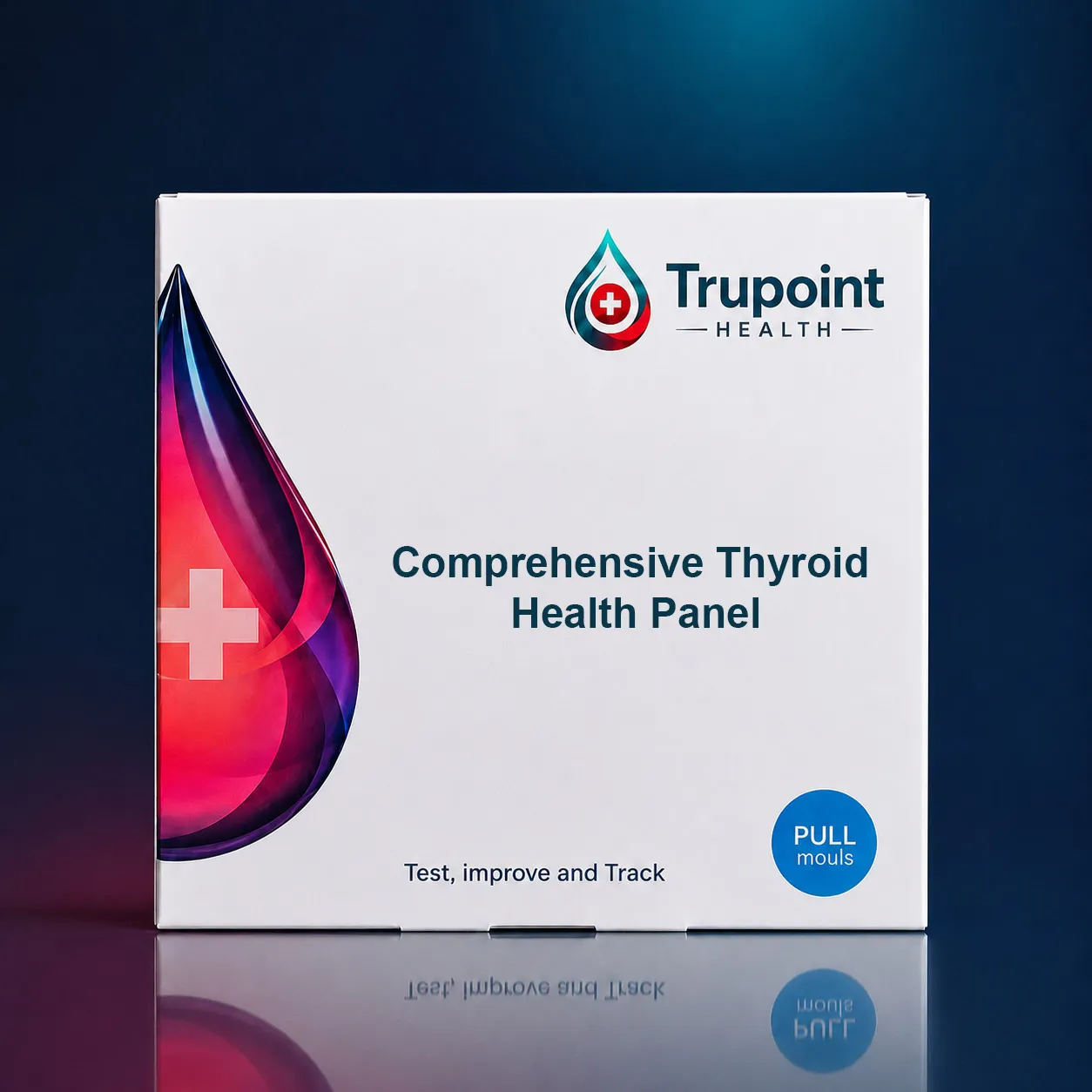
A ten-marker panel combining full thyroid function and autoimmune antibodies with key nutritional serum biomarkers — serum vitamin D, ferritin, active B12.
Everyday lifestyle choices have a profound effect on the brain's capacity to sustain focus and process information.
Poor concentration from a lifestyle or nutritional cause is common; however, some presentations require urgent assessment.
These can point to a more serious underlying cause and should not be ignored.
Yes — iron plays a direct role in dopamine neurotransmitter transport in the brain, which is central to sustained attention. Studies have shown that low ferritin — even without overt anaemia — is associated with attention difficulties in both adults and children. If your ferritin is below 50 µg/L, optimising iron stores may significantly improve concentration and mental stamina.
The most informative tests include vitamin B12, folate, ferritin, TSH, HbA1c, cortisol, magnesium, and vitamin D. Together these cover the leading biochemical causes of impaired attention. Trupoint Health’s B Vitamin Energy Panel and Advanced Health & Wellness Panel include most of these markers in a single convenient test.
Yes — elevated cortisol, the body’s primary stress hormone, directly impairs the prefrontal cortex — the brain region responsible for attention, planning, and decision-making. Chronically high cortisol also damages the hippocampus, reducing memory consolidation. A morning cortisol blood test can indicate whether adrenal dysfunction or chronic stress is contributing to your concentration problems.
Yes — hypothyroidism slows the metabolic activity of all cells, including neurons. This results in cognitive symptoms including poor concentration, slow processing speed, and difficulty retaining information. A TSH blood test is the standard screen and takes only a few minutes to arrange through Trupoint Health.
Adequate sleep is necessary but not always sufficient for good concentration. If sleep is not the issue, consider whether a nutritional deficiency — such as low B12, magnesium, or ferritin — is limiting neurotransmitter production. Subclinical hypothyroidism and insulin resistance are also commonly missed causes that do not resolve with rest alone.
This page is for general information only and does not replace personalised medical advice. If you are worried about your health, please speak to a qualified healthcare professional. Trupoint Health blood tests are analysed by UK-accredited laboratories.
Private blood tests analysed by UK-accredited laboratories, with clear results and optional GP review.